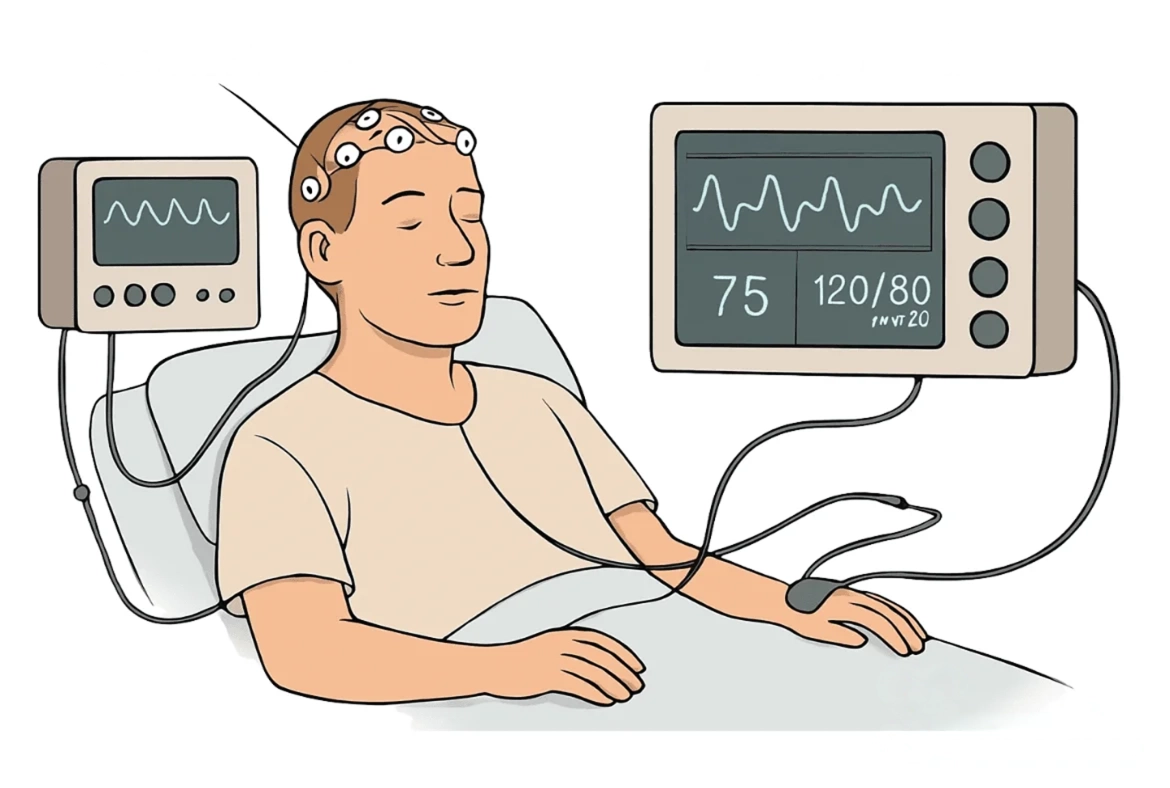
Video EEG Monitoring is a specialized neurological test used to evaluate patients with seizures, unexplained blackouts, or suspected epilepsy. Dr. Sudheer Pachipala offers comprehensive Video EEG Monitoring as part of advanced neurological care to accurately diagnose and manage seizure-related disorders. This test combines continuous electroencephalogram (EEG) recording with synchronized video observation. The EEG records electrical activity in the brain, while the video captures physical behavior during episodes. By correlating brain wave patterns with visible clinical events, this method provides highly precise information that cannot be obtained through routine EEG alone. It is particularly valuable for patients whose diagnosis is unclear or whose seizures are difficult to control.
Video EEG Monitoring is commonly recommended for individuals who experience recurrent seizures, fainting spells, abnormal movements, or sudden changes in awareness. Seizures can be caused by epilepsy, brain infections, head injuries, genetic conditions, brain tumors, metabolic imbalances, or stroke. In some cases, events that resemble seizures may actually be non-epileptic in nature, such as psychogenic non-epileptic seizures (PNES), sleep disorders, or cardiac conditions. Identifying the exact cause is crucial because treatment varies significantly depending on the underlying condition.
Symptoms that may lead to the need for Video EEG Monitoring include sudden loss of consciousness, staring spells, jerking movements of the arms or legs, confusion after an episode, unusual sensations such as tingling or visual disturbances, and unexplained falls. Some patients experience subtle symptoms such as brief lapses in awareness or repetitive movements that may go unnoticed by family members. When routine tests do not provide clear answers, prolonged monitoring helps capture real-time events and determine their origin.
The diagnostic process typically involves admission to a specialized monitoring unit where the patient stays for one to several days, depending on clinical requirements. Small electrodes are placed on the scalp to continuously record brain activity. Simultaneously, video recording monitors behavior and physical signs. In certain cases, medications may be adjusted under close supervision to safely provoke an event for accurate diagnosis. The procedure is painless and performed under strict medical observation to ensure patient safety throughout the monitoring period.
Treatment options following Video EEG Monitoring depend entirely on the findings. If epilepsy is confirmed, treatment may include anti-seizure medications tailored to the specific seizure type. For patients with drug-resistant epilepsy, advanced therapies such as epilepsy surgery, vagus nerve stimulation, or dietary therapy may be considered. If events are identified as non-epileptic, management may involve psychological therapy, sleep disorder treatment, or cardiac evaluation. Accurate diagnosis through Video EEG Monitoring allows for targeted therapy, preventing unnecessary medications and improving long-term outcomes.
Post-treatment care focuses on medication adherence, lifestyle adjustments, seizure precautions, and regular follow-up consultations. Patients diagnosed with epilepsy are guided regarding driving restrictions, work safety, stress management, and sleep hygiene. Periodic reviews help assess treatment effectiveness and adjust therapy when needed. Education for both patients and family members plays a vital role in ensuring safety and confidence in daily life.
Although Video EEG Monitoring is generally safe, there are minor risks associated with prolonged monitoring. Some patients may experience skin irritation from electrodes or temporary discomfort from extended hospitalization. In rare cases, intentional reduction of anti-seizure medication to capture an event may trigger a prolonged seizure; however, this is conducted under expert supervision in a controlled hospital environment to minimize risks. Continuous monitoring ensures immediate medical intervention if required.
It is important to consult a neurologist if you or a loved one experiences unexplained seizures, sudden blackouts, repeated fainting spells, abnormal movements, or episodes of confusion. Early evaluation can prevent complications and improve quality of life. If seizures persist despite medication or if the diagnosis remains uncertain, Video EEG Monitoring can provide clarity and guide effective treatment decisions. Under the expert care of Dr. Sudheer Pachipala, patients receive comprehensive neurological evaluation using advanced diagnostic technology to ensure accurate diagnosis and personalized treatment planning.
Chat With Me