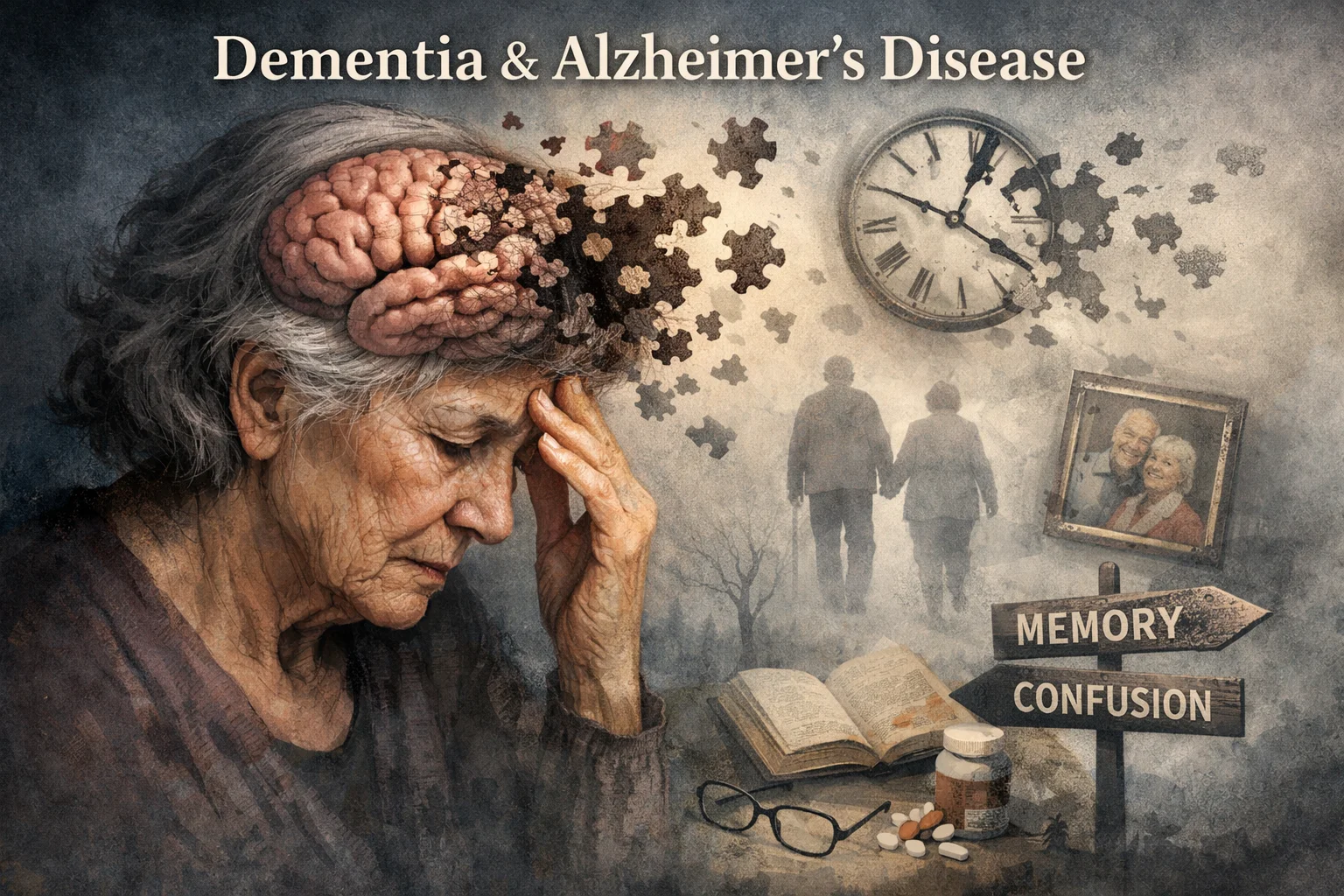
Dementia is not a single disease but a syndrome characterized by progressive impairment in memory, reasoning, language, and problem-solving skills. Alzheimer’s disease is a degenerative brain disorder marked by abnormal protein deposits in the brain, leading to gradual loss of brain cells. The condition typically develops slowly and worsens over time.
In the early stages, individuals may experience subtle memory lapses. As the disease progresses, confusion, personality changes, and difficulty performing routine tasks become more noticeable. With appropriate neurological care, symptoms can be managed, and supportive therapies can significantly enhance quality of life.
Alzheimer’s disease is primarily caused by abnormal accumulation of beta-amyloid plaques and tau protein tangles in the brain, which disrupt communication between nerve cells and eventually lead to cell death. Genetic factors, advancing age, and family history increase the risk. Other contributing factors may include cardiovascular disease, diabetes, high blood pressure, obesity, smoking, and lack of physical activity.
Other types of dementia may result from reduced blood flow to the brain (vascular dementia), abnormal protein deposits (Lewy body dementia), or damage from injury or infections. Identifying the underlying cause is essential for accurate treatment planning.
The earliest symptom of Alzheimer’s disease is usually short-term memory loss, such as forgetting recent conversations or appointments. Over time, patients may struggle with language, decision-making, orientation to time and place, and recognizing familiar people. Behavioral changes such as mood swings, anxiety, depression, irritability, or withdrawal from social activities are also common.
In more advanced stages, individuals may require assistance with daily activities such as dressing, eating, and personal hygiene. Each patient’s progression is unique, and symptoms may vary in severity and pattern.
Although there is currently no cure for Alzheimer’s disease, several medications can help slow cognitive decline and manage symptoms. These medications work by improving communication between nerve cells or regulating brain chemicals involved in memory and learning. Treatment plans are individualized based on the stage of the condition and the patient’s overall health.
Non-pharmacological approaches are equally important. Cognitive stimulation therapy, memory training exercises, structured routines, and supportive counseling can significantly improve daily functioning. Lifestyle modifications, including regular physical activity, balanced nutrition, social engagement, and mental exercises, play a key role in preserving cognitive health.
Family education and caregiver support are essential components of treatment. A well-informed support system helps ensure safety, emotional stability, and continuity of care.
Long-term follow-up is necessary to monitor disease progression and adjust treatment plans as needed. Regular consultations allow for timely modification of medications and management of behavioral or sleep disturbances. Creating a safe home environment, establishing consistent daily routines, and maintaining social interaction contribute significantly to patient well-being.
Caregiver guidance is an integral part of post-treatment care. Providing emotional support and practical strategies helps families manage challenges more effectively while reducing caregiver stress.
As dementia progresses, complications such as falls, malnutrition, dehydration, infections, and difficulty swallowing may arise. Behavioral disturbances may also increase caregiver burden. Without proper supervision, patients may become disoriented or wander, posing safety risks.
Early intervention, structured medical supervision, and continuous monitoring significantly reduce complications and improve overall outcomes.
Medical consultation is essential if an individual experiences a first seizure, repeated unexplained episodes of altered awareness, or unusual involuntary movements. Immediate medical attention is required if a seizure lasts longer than a few minutes, occurs repeatedly without recovery in between, or results in injury. Early evaluation by a qualified neurologist allows for prompt diagnosis, appropriate treatment, and improved long-term seizure control.
Chat With Me