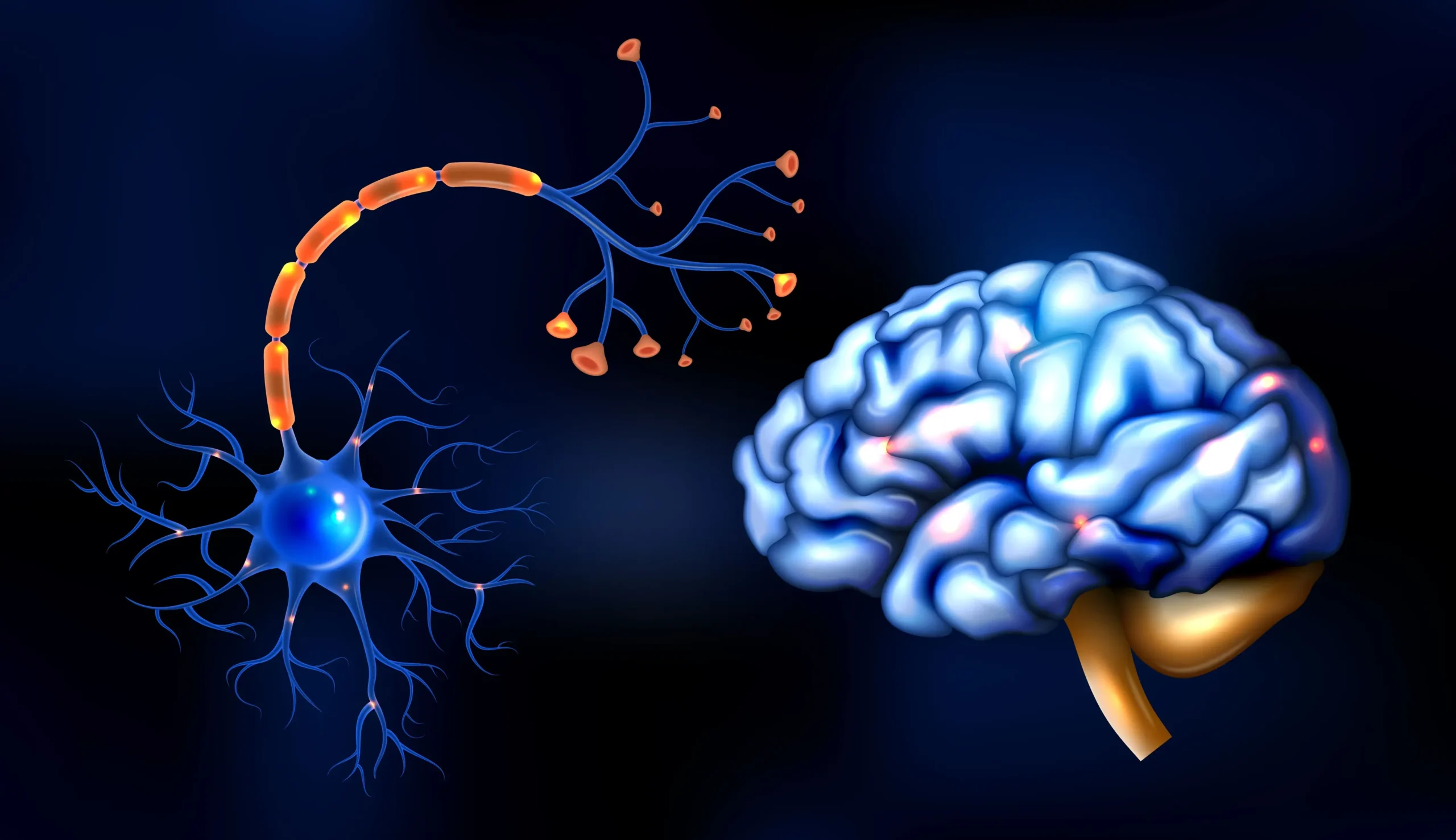
Motor neurons are responsible for transmitting signals from the brain and spinal cord to the muscles. In Motor Neuron Disease, these nerve cells gradually stop functioning and die, leading to muscle weakness, stiffness, and eventual loss of voluntary muscle control. The condition typically begins subtly, with mild weakness in a limb or difficulty speaking, and progresses over time.
While Motor Neuron Disease primarily affects muscle control, it does not usually impair sensation, bladder function, or cognitive ability in most patients. However, the physical limitations can significantly affect independence and daily living. A structured neurological approach helps in early identification and symptom management.
The exact cause of Motor Neuron Disease is not fully understood. In most cases, it occurs sporadically without a clear family history. A small percentage of cases are inherited due to genetic mutations. Researchers believe that a combination of genetic predisposition and environmental factors may contribute to nerve cell degeneration.
Abnormal protein accumulation within nerve cells, oxidative stress, immune system dysfunction, and excitotoxicity (damage caused by excessive stimulation of nerve cells) are thought to play roles in disease progression. Ongoing research continues to explore the underlying mechanisms to improve future treatment strategies.
Early symptoms often include muscle weakness in the hands, arms, legs, or feet. Patients may notice difficulty gripping objects, frequent tripping, muscle cramps, or stiffness. As the disease progresses, speech may become slurred, swallowing may become difficult, and breathing muscles may weaken.
Muscle twitching (fasciculations), weight loss due to muscle wasting, and fatigue are also common. The progression varies among individuals, with some experiencing slow progression and others more rapid changes. Recognizing symptoms early allows for timely supportive interventions.
Diagnosis is based on a detailed medical history, clinical examination, and specialized neurological testing. Dr. Sudheer Pachipala conducts a thorough assessment to evaluate muscle strength, reflexes, coordination, and nerve function. Electromyography (EMG) and nerve conduction studies are often performed to assess electrical activity in muscles and confirm motor neuron involvement.
Imaging studies such as MRI scans may be recommended to rule out other neurological conditions that can mimic Motor Neuron Disease. Blood tests and additional evaluations may also be conducted to exclude treatable causes of muscle weakness. Early and accurate diagnosis ensures appropriate management planning.
Although there is currently no cure for Motor Neuron Disease, treatment focuses on slowing disease progression, managing symptoms, and maintaining quality of life. Certain medications may help slow progression in some patients. Supportive therapies are central to care and may include physiotherapy to maintain mobility, speech therapy to address communication challenges, and nutritional support to prevent weight loss.
Respiratory support may be required in later stages to assist breathing. Occupational therapy can help patients adapt their home and work environments for safety and independence. A multidisciplinary care approach, including neurologists, physiotherapists, speech therapists, and respiratory specialists, provides comprehensive support tailored to individual needs.
Ongoing monitoring and regular follow-up are essential in managing Motor Neuron Disease. Treatment plans are adjusted as the condition progresses to address evolving needs. Maintaining proper nutrition, safe mobility, and respiratory health plays a critical role in long-term care.
Emotional and psychological support is equally important. Counseling and caregiver guidance help families cope with challenges and make informed decisions regarding care planning. Structured follow-up improves comfort and enhances overall well-being.
As Motor Neuron Disease advances, complications may include difficulty swallowing, leading to malnutrition or aspiration pneumonia. Progressive respiratory muscle weakness can result in breathing difficulties. Reduced mobility increases the risk of falls, pressure sores, and infections.
Early medical supervision and proactive supportive care significantly reduce complications and improve patient comfort. Timely intervention is key to maintaining dignity and quality of life.
Medical evaluation is recommended if there is persistent muscle weakness, unexplained muscle twitching, progressive stiffness, or difficulty speaking or swallowing. Early consultation allows for accurate diagnosis and structured management, which can positively influence long-term outcomes.
Motor Neuron Disease requires specialized neurological expertise and compassionate, long-term care. With comprehensive neurological care and individualized treatment planning, most individuals with epilepsy can achieve effective seizure management and lead healthy, productive lives. Similarly, patients with Motor Neuron Disease benefit greatly from early intervention, multidisciplinary support, and personalized treatment strategies that focus on preserving function, maximizing comfort, and maintaining the highest possible quality of life.
Chat With Me