Migraine & Chronic Headaches
Overview
Migraine and chronic headaches are among the most common neurological conditions affecting individuals of all ages. While occasional headaches are usually harmless, recurrent or severe headaches can significantly interfere with daily life, work productivity, and emotional well-being. Migraines, in particular, are more than just “bad headaches.” They are a complex neurological disorder that may cause intense throbbing pain, sensitivity to light and sound, nausea, and other disabling symptoms. Under the expert care of Dr. Sudheer Pachipala, patients receive a thorough evaluation and personalized treatment plan designed to reduce frequency, relieve pain, and improve long-term quality of life.
Migraine is often characterized by episodes that last for hours or even days. Chronic headache disorders, including chronic migraine and tension-type headaches, are diagnosed when headaches occur frequently—often more than 15 days per month. Early diagnosis and structured management are essential to prevent worsening patterns and medication overuse complications.
Overview
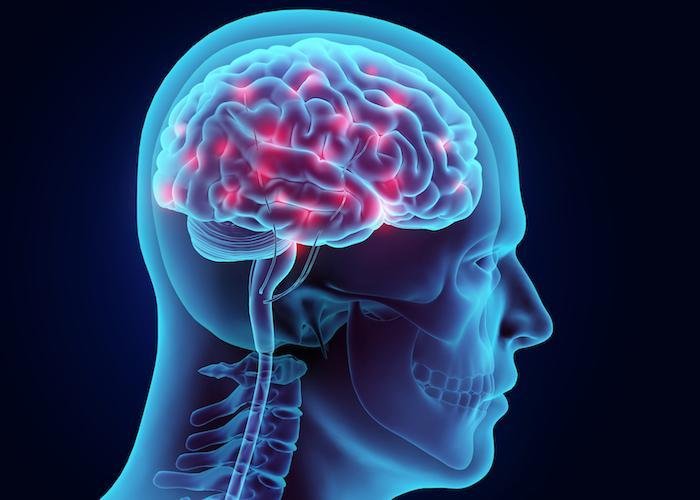
Migraine is a neurological condition involving abnormal brain activity that affects nerve signals, chemicals, and blood vessels in the brain. Chronic headaches may include chronic migraine, chronic tension-type headache, or medication-overuse headache. These conditions can vary in severity and presentation, but all require careful medical assessment. Many patients suffer silently for years without proper diagnosis, assuming headaches are a normal part of life. With the right neurological evaluation, most headache disorders can be effectively controlled.
Causes
The exact cause of migraine is not fully understood, but it is believed to involve genetic, environmental, and neurological factors. Changes in brain chemicals such as serotonin, fluctuations in hormones, and altered nerve signaling pathways are known contributors. Certain triggers can provoke migraine attacks, including stress, lack of sleep, dehydration, irregular meals, specific foods, bright lights, strong smells, and prolonged screen exposure. In women, hormonal changes during menstruation, pregnancy, or menopause may also play a significant role.
Diagnosis
A thorough clinical evaluation is essential for diagnosing epilepsy. The assessment begins with a detailed medical history, including a description of seizure episodes and any potential triggers. Neurological examination is followed by diagnostic tests such as an electroencephalogram (EEG), which records electrical activity in the brain, and brain imaging studies like MRI to identify structural abnormalities. Accurate diagnosis helps differentiate epilepsy from other conditions that may mimic seizures and ensures that patients receive appropriate and targeted treatment.
Chronic headaches can also develop due to persistent stress, poor posture, sleep disorders, excessive caffeine intake, or frequent use of pain medications. Identifying individual triggers is an important step in long-term management.
Symptoms
Migraine symptoms extend beyond head pain. Patients typically describe a pulsating or throbbing pain, often affecting one side of the head. The pain may worsen with physical activity and is commonly associated with nausea, vomiting, and increased sensitivity to light, sound, or smells. Some individuals experience visual disturbances known as aura before the onset of headache, which may include flashing lights, zigzag lines, or temporary vision changes.
Chronic tension-type headaches, in contrast, usually cause a dull, pressure-like pain around the forehead or back of the head and neck. In chronic cases, headaches may occur almost daily, leading to fatigue, irritability, and difficulty concentrating.
Diagnosis
Accurate diagnosis begins with a detailed medical history and neurological examination. Dr. Sudheer Pachipala carefully evaluates the pattern, frequency, intensity, and associated symptoms of headaches. Patients may be asked to maintain a headache diary to identify triggers and monitor response to treatment. In certain cases, imaging studies such as MRI or CT scans may be recommended to rule out structural causes or other neurological conditions.
The goal of diagnosis is not only to confirm migraine or chronic headache disorder but also to exclude secondary causes such as infections, vascular problems, or tumors. A precise diagnosis ensures targeted and effective treatment.
Treatment Options
Treatment for migraine and chronic headaches is individualized based on severity, frequency, and patient lifestyle. Acute treatment focuses on relieving pain during an attack and may include specific anti-migraine medications, pain relievers, anti-nausea drugs, or triptans. For patients experiencing frequent episodes, preventive therapy is often recommended. Preventive medications help reduce the frequency, intensity, and duration of attacks over time.
Lifestyle modifications form an essential part of management. Regular sleep patterns, stress reduction techniques, hydration, balanced diet, and limiting known triggers can significantly improve outcomes. In selected cases, advanced therapies such as nerve blocks or newer targeted migraine treatments may be considered. A comprehensive approach ensures not just temporary relief but long-term control.
Post-Treatment Care
Ongoing follow-up is crucial in managing migraine and chronic headaches. Patients are encouraged to track symptoms, adhere to prescribed medications, and attend regular reviews. Adjustments in dosage or treatment strategy may be required based on response. Long-term success depends on consistency, trigger avoidance, and open communication with the neurologist.
Education plays a major role in post-treatment care. Understanding the nature of migraine empowers patients to recognize early warning signs and take timely action, preventing severe attacks.
Risks or Complications
If left untreated, chronic migraine can lead to medication-overuse headache, where frequent use of painkillers actually worsens symptoms. Persistent headaches can also impact mental health, contributing to anxiety, depression, sleep disturbances, and reduced quality of life. Rarely, severe migraines with neurological symptoms may mimic serious conditions such as stroke, making professional evaluation essential.
Early and structured treatment significantly reduces the risk of complications and improves long-term neurological health.
When to See a Doctor
Medical consultation is recommended if headaches are frequent, severe, worsening over time, or interfering with daily activities. Immediate medical attention is necessary if a headache is sudden and extremely severe, accompanied by fever, confusion, weakness, vision loss, difficulty speaking, or following a head injury. These symptoms may indicate a serious underlying condition requiring urgent care.
Migraine and chronic headaches are treatable neurological conditions. With expert evaluation and a personalized treatment plan from Dr. Sudheer Pachipala, patients can achieve effective relief and regain control over their lives. Early intervention, consistent care, and a comprehensive management strategy are the keys to long-term improvement and better quality of life.