Rehabilitation guidance plays a vital role in neurological recovery and long-term functional improvement. After conditions affecting the brain, spinal cord, nerves, or muscles, patients often require structured support to regain independence, mobility, and cognitive function. Neurological rehabilitation is a comprehensive, individualized program designed to help patients restore lost abilities, adapt to new limitations, and improve overall quality of life. Under the supervision of an experienced neurologist like Dr. Sudheer Pachipala, rehabilitation guidance integrates medical care, physical therapy, occupational therapy, speech therapy, and lifestyle modifications to achieve optimal outcomes. Early and well-planned rehabilitation can significantly enhance recovery and prevent long-term disability.
Rehabilitation is commonly required following neurological disorders or injuries that impact movement, coordination, speech, cognition, or sensation. Conditions such as stroke, traumatic brain injury, spinal cord injury, multiple sclerosis, Parkinson’s disease, neuropathies, epilepsy-related complications, and post-surgical neurological recovery may necessitate structured rehabilitation. In many cases, prolonged immobilization, nerve damage, muscle weakness, or impaired balance leads to functional limitations. Chronic neurological illnesses may also cause progressive symptoms that require ongoing supportive therapy to maintain independence and slow functional decline.
Patients who require rehabilitation guidance often experience weakness, difficulty walking, loss of balance, poor coordination, muscle stiffness, tremors, speech difficulties, swallowing problems, or cognitive challenges such as memory loss and reduced concentration. Some individuals may have difficulty performing daily activities like dressing, eating, writing, or working. Fatigue, chronic pain, and emotional changes such as anxiety or depression are also common in neurological conditions. Rehabilitation focuses not only on physical recovery but also on improving communication skills, mental well-being, and overall functionality.
The need for rehabilitation is determined through a detailed neurological evaluation. Dr. Sudheer Pachipala conducts a comprehensive clinical assessment that includes medical history, neurological examination, functional status evaluation, and review of imaging studies such as MRI or CT scans when required. Additional tests like nerve conduction studies, electromyography, or cognitive assessments may be recommended depending on the underlying condition. The goal of diagnosis in rehabilitation planning is to identify specific deficits, measure severity, and create a personalized recovery plan tailored to the patient’s needs and lifestyle.
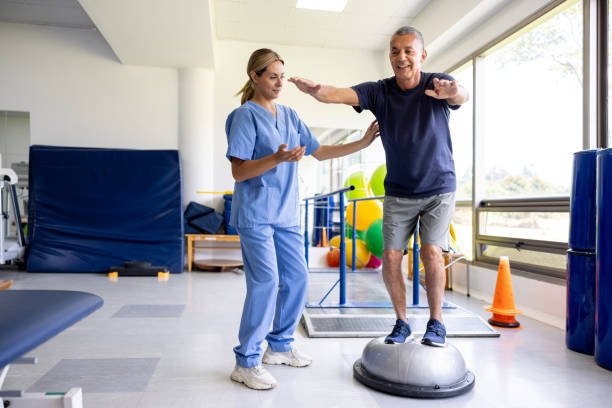
Neurological rehabilitation is highly individualized and multidisciplinary. Treatment may include physical therapy to improve strength, flexibility, and mobility; occupational therapy to enhance daily living skills; and speech therapy for communication and swallowing difficulties. Balance training, gait correction, motor retraining, and coordination exercises are often central components. In certain conditions, assistive devices such as braces, walkers, or adaptive equipment may be recommended to improve safety and independence. Medication management is optimized to control underlying neurological symptoms, reduce spasticity, manage pain, or prevent further complications. Cognitive rehabilitation techniques may be introduced to support memory, attention, and executive functioning. The duration and intensity of therapy vary depending on the severity and nature of the neurological disorder.
Recovery does not end after formal therapy sessions. Continued home-based exercises, lifestyle adjustments, and periodic follow-up consultations are essential for sustained improvement. Patients are guided on maintaining physical activity, adopting a balanced diet, managing stress, and preventing falls or injuries. Family involvement plays a crucial role in long-term success, as emotional support and encouragement significantly influence recovery outcomes. Regular monitoring allows timely adjustments to therapy plans, ensuring continued progress and preventing regression.
Without appropriate rehabilitation guidance, neurological conditions may lead to persistent disability, muscle wasting, joint stiffness, chronic pain, and reduced independence. Delayed therapy can result in poor functional recovery and increased risk of falls, pressure sores, or secondary complications. Even during rehabilitation, improper techniques or overexertion may cause strain or injury if not supervised correctly. A structured and professionally guided program minimizes these risks and promotes safe, gradual improvement.
Patients should consult a neurologist if they experience sudden weakness, difficulty speaking, loss of balance, persistent numbness, or any new neurological symptoms. Individuals recovering from stroke, brain injury, spinal injury, or neurological surgery should seek early rehabilitation guidance to maximize recovery potential. If daily activities become difficult due to tremors, stiffness, memory problems, or muscle weakness, timely medical evaluation is essential. Early intervention significantly improves outcomes and enhances long-term independence.
Comprehensive neurological rehabilitation under expert supervision ensures that patients receive personalized, evidence-based care focused on restoring function and improving quality of life. With the right guidance, structured therapy, and consistent follow-up, many patients achieve meaningful recovery and regain confidence in their daily lives.
Chat With Me