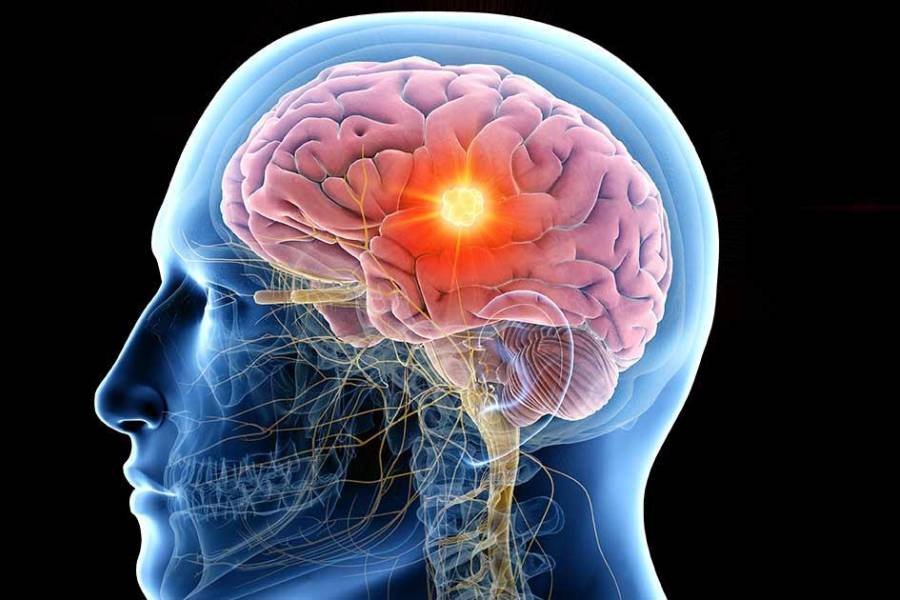
Epilepsy is a neurological condition characterized by recurrent, unprovoked seizures caused by abnormal electrical activity in the brain. Seizures can vary widely in presentation, ranging from brief lapses in awareness to prolonged convulsions, depending on the area of the brain involved. While epilepsy can affect individuals of all ages, timely diagnosis and appropriate treatment enable most patients to lead active and fulfilling lives. With expert neurological care, seizure control is achievable in a large majority of cases.
Epilepsy may develop due to a variety of underlying factors, although in many individuals the exact cause remains unknown. Structural changes in the brain from birth injuries, head trauma, stroke, brain infections, or tumors can contribute to seizure disorders. Genetic influences may also play a role, particularly in certain types of generalized epilepsy. In children, developmental conditions affecting the brain may be associated with seizures. Identifying the underlying cause is important, as it helps guide treatment decisions and long-term management.
The symptoms of epilepsy depend on the type of seizure and the region of the brain affected. Some individuals may experience sudden jerking movements of the limbs, loss of consciousness, or muscle stiffness. Others may notice brief episodes of staring, confusion, unusual sensations, or involuntary movements of a part of the body. In certain cases, warning signs such as a strange smell, visual disturbance, or sudden emotional changes may occur before a seizure. The frequency and severity of episodes can vary significantly from person to person.
Medical consultation is essential if an individual experiences a first seizure, repeated unexplained episodes of altered awareness, or unusual involuntary movements. Immediate medical attention is required if a seizure lasts longer than a few minutes, occurs repeatedly without recovery in between, or results in injury. Early evaluation by a qualified neurologist allows for prompt diagnosis, appropriate treatment, and improved long-term seizure control.
With comprehensive neurological care and individualized treatment planning, most individuals with epilepsy can achieve effective seizure management and lead healthy, productive lives.
Chat With Me