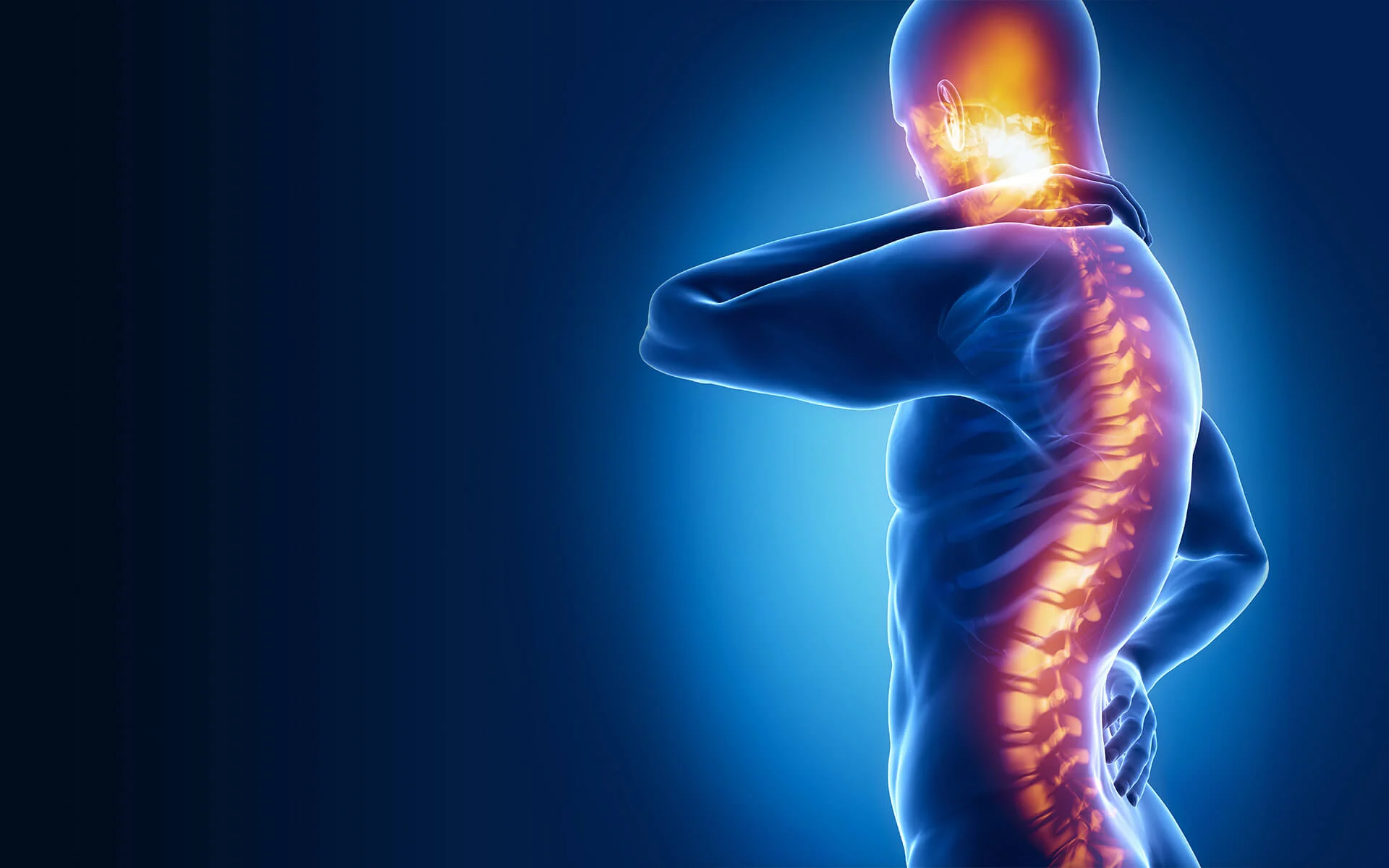
The spinal cord plays a central role in coordinating voluntary movements, reflexes, and sensory information. Disorders affecting the spinal cord may result from degenerative changes, trauma, infections, tumors, autoimmune conditions, or vascular problems. Depending on the location and extent of involvement, patients may experience weakness, numbness, balance difficulties, or loss of bladder and bowel control.
Some spinal cord disorders progress slowly over time, while others require urgent medical attention. Early neurological evaluation helps identify the underlying cause and prevents further damage.
Spinal cord disorders can arise from multiple causes. Degenerative conditions such as cervical or lumbar spondylosis may lead to spinal cord compression. Traumatic injuries from accidents or falls can directly damage the cord. Inflammatory and autoimmune diseases such as multiple sclerosis or transverse myelitis may also affect spinal cord tissue.
Other causes include spinal infections, tumors, vascular malformations, or herniated discs compressing the spinal cord. Identifying the specific cause is crucial for determining the appropriate treatment strategy.
Symptoms depend on the level and severity of spinal cord involvement. Common signs include weakness in the arms or legs, numbness or tingling sensations, difficulty walking, balance problems, and muscle stiffness. Patients may also experience back or neck pain associated with nerve compression.
In more advanced cases, there may be loss of coordination, bladder or bowel dysfunction, or sexual dysfunction. Sudden onset of weakness, severe pain, or loss of bladder control requires immediate medical attention.
Diagnosis begins with a detailed clinical history and thorough neurological examination. Dr. Sudheer Pachipala evaluates muscle strength, reflexes, sensation, coordination, and gait to localize the level of spinal cord involvement. Magnetic Resonance Imaging (MRI) is the primary imaging modality used to visualize spinal cord abnormalities, compression, inflammation, or tumors.
Additional tests such as blood investigations, cerebrospinal fluid analysis, or electrophysiological studies may be recommended depending on the suspected cause. Early and accurate diagnosis allows for prompt and targeted treatment.
Treatment depends on the underlying condition. In cases of spinal cord compression due to disc herniation or tumors, surgical intervention may be necessary to relieve pressure. Inflammatory or autoimmune conditions may be treated with corticosteroids or immunosuppressive therapies.
Infections require targeted antimicrobial therapy, while vascular conditions may require specialized management. Rehabilitation therapies, including physiotherapy and occupational therapy, play a vital role in restoring strength, improving mobility, and enhancing independence. A multidisciplinary approach ensures comprehensive care tailored to each patient’s needs.
Long-term follow-up is essential to monitor recovery and prevent recurrence or progression. Rehabilitation exercises help maintain muscle strength and coordination. Patients are encouraged to follow medical advice regarding posture, ergonomics, and physical activity to protect spinal health.
Regular neurological evaluations allow timely adjustments in treatment and early identification of new symptoms. Structured post-treatment care significantly improves functional outcomes and overall quality of life.
If left untreated, spinal cord disorders can lead to permanent neurological deficits, including paralysis, chronic pain, and loss of bladder or bowel control. Progressive compression may result in irreversible damage to nerve tissue. Delayed intervention increases the risk of long-term disability.
Early medical evaluation and timely treatment significantly reduce complications and improve prognosis.
Medical consultation is recommended if there is persistent back or neck pain associated with weakness, numbness, difficulty walking, or changes in bladder or bowel function. Immediate medical attention is necessary in cases of sudden paralysis, severe spinal pain, or loss of sensation.
Spinal cord disorders require expert neurological assessment and structured management. With comprehensive neurological care and individualized treatment planning, most individuals with epilepsy can achieve effective seizure management and lead healthy, productive lives. Similarly, patients with spinal cord disorders benefit greatly from early diagnosis, targeted treatment, and consistent follow-up, enabling them to preserve neurological function and maintain the best possible quality of life.
Chat With Me