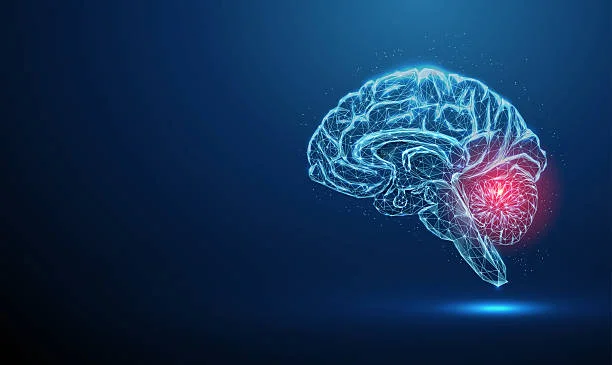
Ataxia refers to a lack of voluntary coordination of muscle movements. It is not a disease itself but rather a clinical sign of an underlying neurological condition. Cerebellar disorders may develop gradually or appear suddenly, depending on the cause. Some forms are hereditary and progressive, while others are acquired due to stroke, infections, autoimmune conditions, nutritional deficiencies, or head injury. Early recognition and accurate diagnosis are essential to prevent progression and minimize disability.
Cerebellar dysfunction can result from multiple factors. Common causes include stroke affecting the cerebellum, brain tumors, traumatic brain injury, multiple sclerosis, chronic alcohol use, vitamin deficiencies such as vitamin B12 or vitamin E deficiency, autoimmune diseases, and certain infections. Genetic conditions such as spinocerebellar ataxias can also lead to progressive degeneration of cerebellar tissue. In some individuals, metabolic disorders or exposure to certain medications may contribute to cerebellar impairment. Determining the exact cause is vital, as treatment strategies vary depending on the underlying condition.
The hallmark symptom of ataxia is unsteady gait, often described as a “drunken walk.” Patients may experience difficulty maintaining balance, frequent falls, clumsiness, or trouble performing fine motor tasks such as writing or buttoning clothes. Speech may become slurred or slow, a condition known as dysarthria. Some individuals develop abnormal eye movements, tremors, swallowing difficulties, or poor hand-eye coordination. In progressive disorders, symptoms may gradually worsen over time, impacting independence and quality of life.
Diagnosis begins with a detailed medical history and thorough neurological examination focusing on coordination, balance, reflexes, muscle tone, and eye movements. Imaging studies such as MRI of the brain are often recommended to detect structural abnormalities, cerebellar atrophy, tumors, or stroke. Blood tests may be conducted to evaluate vitamin levels, autoimmune markers, infections, or metabolic disorders. In cases where hereditary ataxia is suspected, genetic testing may be advised. A comprehensive diagnostic approach ensures accurate identification and guides effective treatment planning.
Treatment depends on the underlying cause of the cerebellar disorder. If ataxia is due to vitamin deficiency, metabolic imbalance, or autoimmune disease, targeted medical therapy can significantly improve symptoms. Stroke-related ataxia may require specialized neurological management and rehabilitation. Although some hereditary forms do not have a definitive cure, supportive treatment plays a crucial role in maintaining function. Physical therapy improves strength and balance, occupational therapy assists with daily activities, and speech therapy addresses communication and swallowing challenges. In selected cases, medications may help manage tremors or associated neurological symptoms.
Long-term care focuses on rehabilitation, fall prevention, and monitoring disease progression. Regular follow-up visits help assess symptom changes and adjust treatment as needed. Patients benefit from structured exercise programs tailored to improve coordination and stability. Home modifications, such as installing handrails and removing fall hazards, can enhance safety. Nutritional optimization and management of associated medical conditions further support recovery and long-term well-being.
If left untreated, ataxia can lead to frequent falls, fractures, swallowing difficulties, aspiration pneumonia, and progressive loss of independence. In chronic or degenerative cases, mobility may decline significantly over time. Emotional and psychological challenges, including anxiety and depression, may also occur due to reduced physical capability. Early diagnosis and timely intervention are key to minimizing these complications.
Medical consultation is recommended if there is persistent imbalance, unexplained coordination difficulty, slurred speech, sudden onset of unsteady walking, or frequent falls. Sudden ataxia may indicate a serious condition such as a stroke and requires immediate medical attention. With comprehensive neurological assessment and personalized treatment under the guidance of Dr. Sudheer Pachipala, many patients with ataxia and cerebellar disorders can achieve improved stability, enhanced independence, and a better quality of life.
Chat With Me