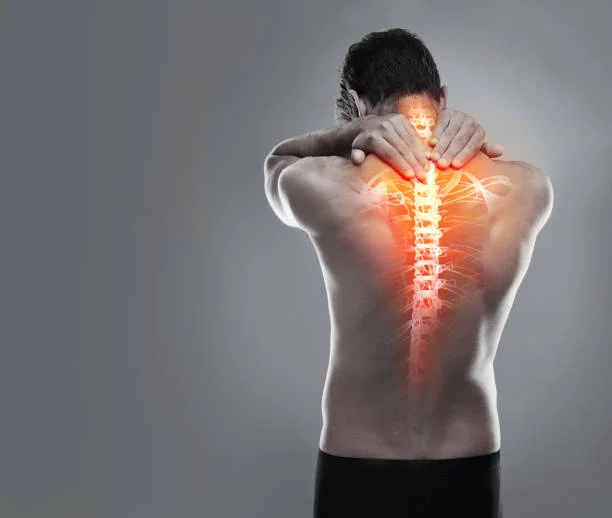
Back pain and neck pain can arise from muscles, ligaments, intervertebral discs, joints, or nerves within the spine. Acute pain may develop suddenly due to strain, injury, or improper posture, while chronic pain may result from degenerative changes such as spondylosis or disc herniation.
The cervical spine (neck region) and lumbar spine (lower back region) are particularly prone to stress and wear over time. When spinal structures compress nearby nerves, patients may experience radiating pain, numbness, or weakness in the arms or legs. Accurate diagnosis is key to distinguishing simple muscular pain from nerve-related or structural conditions.
Common causes include poor posture, prolonged sitting, heavy lifting, sudden twisting movements, or muscle strain. Degenerative disc disease, cervical or lumbar spondylosis, disc prolapse, and spinal canal narrowing can also lead to persistent discomfort.
Other contributing factors may include obesity, lack of physical activity, occupational strain, trauma, osteoporosis, or inflammatory conditions. In rare cases, infections or tumors may cause spinal pain. Identifying the specific cause ensures targeted and effective treatment.
Symptoms vary depending on the underlying condition. Back pain may present as a dull ache, sharp pain, stiffness, or muscle spasms in the lower back. Neck pain may cause stiffness, difficulty turning the head, headaches, or shoulder discomfort.
When nerves are compressed, symptoms may include tingling, numbness, or weakness radiating into the arms or legs. Severe cases may involve balance issues or changes in bladder or bowel control, which require immediate medical attention.
Diagnosis begins with a detailed clinical history and neurological examination. Dr. Sudheer Pachipala evaluates posture, spinal alignment, muscle strength, reflexes, and sensory function. Imaging studies such as X-rays, MRI, or CT scans may be recommended to identify disc problems, nerve compression, or structural abnormalities.
Additional tests may be conducted if inflammatory or systemic causes are suspected. Early and precise diagnosis helps prevent progression and guides appropriate therapy.
Treatment depends on the cause and severity of symptoms. Mild to moderate cases often respond well to conservative management, including medications for pain and inflammation, physiotherapy, posture correction, and guided exercise programs.
For nerve-related pain, targeted medications may be prescribed to relieve nerve irritation. In certain cases where structural compression is significant or symptoms do not improve with conservative care, interventional procedures or surgical evaluation may be necessary. A personalized treatment plan ensures optimal symptom control while minimizing long-term complications.
Ongoing care focuses on strengthening the spine, improving flexibility, and preventing recurrence. Patients are advised to maintain correct posture, use ergonomic seating, engage in regular physical activity, and follow prescribed physiotherapy exercises.
Weight management, proper lifting techniques, and avoiding prolonged sitting play a vital role in long-term spinal health. Regular follow-up appointments help monitor progress and adjust treatment strategies as needed.
If left untreated, back and neck pain may progress to chronic pain syndromes, reduced mobility, or persistent nerve compression. Severe nerve involvement can lead to long-term weakness or functional impairment. Delayed treatment increases the risk of permanent nerve damage in certain cases.
Early intervention and structured management significantly reduce complications and improve recovery outcomes.
Medical consultation is recommended if back or neck pain persists for more than a few weeks, worsens over time, or radiates to the arms or legs. Immediate medical attention is necessary if pain is accompanied by weakness, numbness, loss of coordination, or changes in bladder or bowel function.
Back pain and neck pain require careful evaluation to determine the underlying cause. With comprehensive neurological care and individualized treatment planning, most individuals with epilepsy can achieve effective seizure management and lead healthy, productive lives. Similarly, patients suffering from back and neck pain benefit greatly from early diagnosis, structured therapy, and consistent follow-up, enabling them to regain comfort, mobility, and an improved quality of life.

Chat With Me