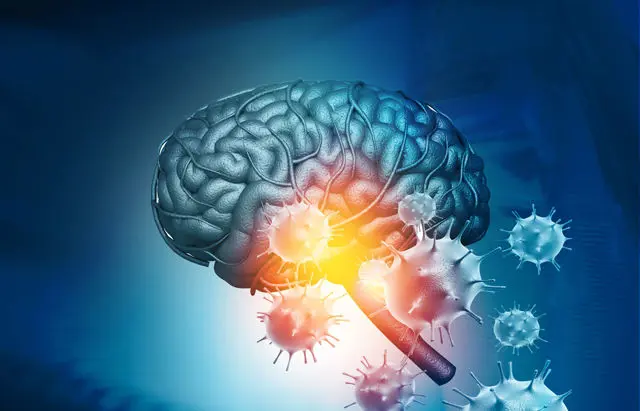
Autoimmune Encephalitis occurs when antibodies or immune cells target specific proteins in the brain, disrupting communication between nerve cells. This immune-mediated inflammation can lead to sudden behavioral changes, seizures, confusion, memory loss, and altered levels of consciousness. The condition may affect individuals of any age, including children and young adults.
There are different subtypes of autoimmune encephalitis depending on the specific antibodies involved. Some forms are associated with underlying tumors (paraneoplastic encephalitis), while others occur without any detectable cancer. Regardless of the cause, early neurological intervention plays a vital role in preventing complications and supporting recovery.
The exact cause of autoimmune encephalitis varies. In many cases, it is triggered by an abnormal immune response following an infection. In other cases, it may be associated with tumors that stimulate antibody production against brain tissue. Certain autoimmune disorders and genetic predispositions may also increase susceptibility.
The immune system produces antibodies that mistakenly target receptors or proteins in the brain, interfering with normal neuronal signaling. Identifying the underlying trigger, if present, is essential for targeted treatment and long-term management.
Symptoms often begin suddenly and may worsen rapidly. Early signs can include memory impairment, confusion, mood changes, anxiety, hallucinations, or unusual behavior. Patients may develop seizures, speech disturbances, movement abnormalities, or difficulty with coordination.
As inflammation progresses, individuals may experience reduced awareness, difficulty swallowing, abnormal movements, or breathing irregularities. Because symptoms can resemble psychiatric disorders or infections, prompt neurological evaluation is crucial for accurate diagnosis.
Diagnosis requires a thorough clinical assessment and detailed neurological examination. Dr. Sudheer Pachipala evaluates symptom progression, behavioral changes, and neurological findings. Brain imaging studies such as MRI are commonly performed to detect inflammation or structural abnormalities.
Electroencephalography (EEG) may be used to assess abnormal brain activity, especially in patients with seizures or altered consciousness. Laboratory investigations, including blood tests and cerebrospinal fluid analysis through lumbar puncture, help identify specific autoimmune antibodies. Early and accurate diagnosis enables timely initiation of immunotherapy, which significantly improves prognosis.
Treatment focuses on suppressing the abnormal immune response and reducing brain inflammation. First-line therapies typically include corticosteroids, intravenous immunoglobulin (IVIG), or plasma exchange. These treatments help remove harmful antibodies and calm immune activity.
If symptoms persist or relapse occurs, additional immunosuppressive medications may be prescribed to prevent further immune-mediated damage. In cases associated with tumors, treatment of the underlying tumor is essential for recovery. Supportive therapies such as physiotherapy, speech therapy, and cognitive rehabilitation may be required during recovery.
A personalized, multidisciplinary treatment approach ensures optimal neurological stabilization and functional improvement.
Recovery from autoimmune encephalitis may take weeks to months, and ongoing monitoring is essential. Regular follow-up consultations allow for assessment of cognitive function, seizure control, and medication adjustments. Rehabilitation therapies play an important role in restoring memory, coordination, and communication skills.
Family support and structured care planning are critical during the recovery phase. Emotional and psychological counseling may be beneficial for both patients and caregivers. Long-term follow-up reduces the risk of relapse and supports sustained neurological recovery.
If left untreated, autoimmune encephalitis can lead to permanent cognitive impairment, persistent seizures, behavioral disturbances, or life-threatening complications such as respiratory failure. Delayed diagnosis increases the risk of long-term disability.
Early medical intervention significantly improves recovery rates and reduces the likelihood of complications. Prompt immunotherapy and supportive care are essential for favorable outcomes.
Immediate medical evaluation is necessary if there are sudden behavioral changes, unexplained confusion, memory loss, new-onset seizures, hallucinations, or rapid cognitive decline. Early consultation with a neurologist allows for timely diagnosis and initiation of treatment.
Autoimmune Encephalitis requires urgent neurological expertise and structured long-term management. With comprehensive neurological care and individualized treatment planning, most individuals with epilepsy can achieve effective seizure management and lead healthy, productive lives. Similarly, patients diagnosed with autoimmune encephalitis benefit greatly from early recognition, prompt immunotherapy, and consistent follow-up care, enabling them to achieve meaningful recovery and improved quality of life.
Chat With Me