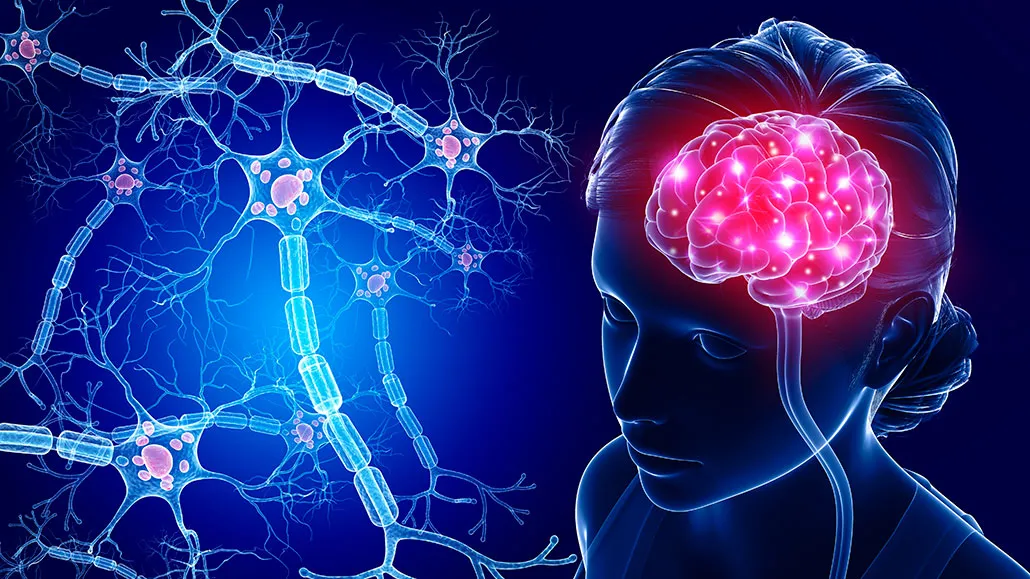
Multiple Sclerosis is the most common demyelinating disorder and is considered an autoimmune condition in which the immune system mistakenly attacks the myelin sheath in the central nervous system. This damage causes inflammation and the formation of scar tissue, disrupting nerve impulse transmission.
Other demyelinating conditions may include neuromyelitis optica spectrum disorders and acute disseminated encephalomyelitis. Although each condition has distinct characteristics, they share the common feature of myelin damage. The course of the disease varies widely, with some individuals experiencing mild intermittent symptoms and others developing more significant neurological impairment.
The exact cause of Multiple Sclerosis and related demyelinating disorders remains unclear. These conditions are believed to result from a combination of genetic susceptibility and environmental triggers. Viral infections, vitamin D deficiency, smoking, and certain geographic factors have been associated with increased risk.
An abnormal immune response leads to inflammation and destruction of myelin, impairing nerve conduction. Identifying risk factors and understanding disease mechanisms help guide preventive and therapeutic strategies.
Symptoms depend on the area of the nervous system affected. Common early signs include numbness or tingling in the limbs, weakness, blurred or double vision, balance problems, and difficulty with coordination. Fatigue is one of the most frequent and disabling symptoms.
Some patients may experience episodes of symptom flare-ups followed by periods of partial or complete recovery. Others may notice gradual progression without clear relapses. Cognitive changes, mood disturbances, bladder dysfunction, and muscle stiffness may also occur as the disease advances. The variability in symptoms makes individualized neurological evaluation essential.
Diagnosis involves a detailed clinical assessment and neurological examination. Dr. Sudheer Pachipala carefully evaluates symptom history, progression, and neurological findings. Magnetic Resonance Imaging (MRI) is a key diagnostic tool used to detect demyelinating lesions in the brain and spinal cord.
Additional investigations may include cerebrospinal fluid analysis to identify inflammatory markers and blood tests to exclude other autoimmune or infectious conditions. Early and accurate diagnosis allows for timely initiation of disease-modifying therapies and improved long-term outcomes.
Treatment focuses on managing acute relapses, slowing disease progression, and controlling symptoms. Corticosteroids are commonly used to reduce inflammation during acute flare-ups. Long-term disease-modifying therapies help reduce the frequency of relapses and delay progression.
Symptomatic treatment may address muscle stiffness, fatigue, bladder disturbances, pain, or mood changes. Rehabilitation therapies, including physiotherapy, occupational therapy, and speech therapy, play an important role in maintaining mobility and independence. A personalized, multidisciplinary approach ensures comprehensive care tailored to each patient’s needs.
Regular follow-up is essential to monitor disease activity and adjust treatment plans as needed. Periodic MRI scans may be recommended to assess progression. Maintaining a healthy lifestyle, engaging in regular physical activity, managing stress, and ensuring balanced nutrition contribute to better outcomes.
Patient education and family involvement are crucial for long-term disease management. Structured care and adherence to therapy significantly improve stability and overall well-being.
If not adequately managed, demyelinating conditions can lead to progressive disability, mobility limitations, visual impairment, or cognitive decline. Repeated relapses may result in cumulative neurological damage. Emotional and psychological challenges, including anxiety and depression, may also occur.
Early diagnosis and consistent medical supervision significantly reduce the risk of complications and improve quality of life.
Medical evaluation is recommended if there are unexplained neurological symptoms such as persistent numbness, weakness, visual disturbances, balance problems, or recurrent episodes of neurological dysfunction. Early consultation allows for timely diagnosis and initiation of appropriate therapy.
Multiple Sclerosis and other demyelinating conditions require expert neurological care and long-term management. With comprehensive neurological care and individualized treatment planning, most individuals with epilepsy can achieve effective seizure management and lead healthy, productive lives. Similarly, patients with Multiple Sclerosis and demyelinating disorders benefit greatly from early diagnosis, targeted therapy, and consistent follow-up, enabling them to maintain independence, functionality, and an improved quality of life.
Chat With Me