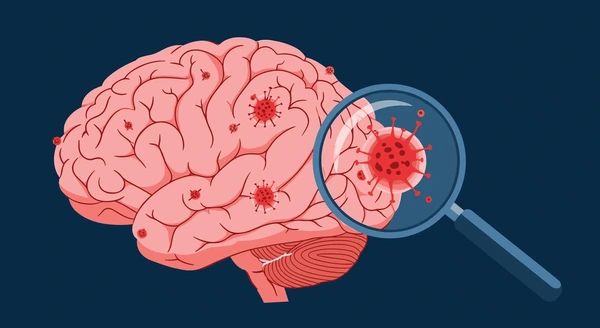
Neurological infections include conditions such as meningitis, encephalitis, brain abscess, spinal infections, and neurotuberculosis. Meningitis refers to infection of the protective membranes covering the brain and spinal cord, while encephalitis involves inflammation of the brain tissue itself. Some infections may remain localized, while others can spread quickly and become life-threatening if untreated.
These conditions vary in severity, but all require careful neurological monitoring. Advances in medical imaging, laboratory diagnostics, and antimicrobial therapy have greatly improved survival and recovery rates when treatment is initiated early.
Neurological infections are commonly caused by viral or bacterial pathogens. Viral infections such as herpes viruses or enteroviruses are frequent causes of encephalitis. Bacterial infections, including those caused by Streptococcus pneumoniae or Mycobacterium tuberculosis, can lead to meningitis or brain abscess. Fungal and parasitic infections are less common but may occur in individuals with weakened immune systems.
Risk factors include compromised immunity, chronic medical conditions, head injuries, recent infections, or exposure to contaminated food or water. Identifying the specific infectious agent is essential for targeted treatment.
Symptoms often develop suddenly and may worsen rapidly. Common signs include high fever, severe headache, neck stiffness, nausea, vomiting, confusion, and sensitivity to light. In cases of encephalitis, patients may experience seizures, altered consciousness, memory disturbances, or behavioral changes.
Infants and elderly individuals may present with subtle symptoms such as irritability, drowsiness, or poor feeding. Because symptoms can overlap with other neurological conditions, prompt medical evaluation is critical.
Accurate diagnosis begins with a detailed clinical assessment and neurological examination. Dr. Sudheer Pachipala evaluates symptom progression, mental status, and neurological deficits. Brain imaging studies such as MRI or CT scans are often performed to detect inflammation, swelling, or abscess formation.
Lumbar puncture is commonly conducted to analyze cerebrospinal fluid and identify the infectious organism. Blood tests and additional laboratory investigations help confirm the diagnosis and guide appropriate therapy. Early diagnostic precision plays a vital role in preventing complications.
Treatment depends on the underlying cause of infection. Bacterial infections require immediate intravenous antibiotics, while antiviral medications are used for viral encephalitis. Antifungal or antiparasitic therapies may be administered when indicated. In severe cases, hospitalization and intensive monitoring are necessary.
Supportive care is equally important and may include seizure control, management of brain swelling, hydration, and respiratory support if required. A multidisciplinary approach ensures comprehensive management and improves recovery outcomes.
Even after successful treatment of the infection, follow-up care is essential to monitor neurological recovery. Some patients may require rehabilitation therapies, including physiotherapy, speech therapy, or cognitive rehabilitation, depending on residual symptoms.
Regular neurological assessments help detect any long-term complications early. Maintaining good overall health and completing prescribed medication courses are important for preventing recurrence.
If left untreated or diagnosed late, neurological infections can lead to serious complications such as seizures, cognitive impairment, hearing loss, motor weakness, or permanent brain damage. Severe cases may result in coma or life-threatening outcomes.
Timely medical intervention significantly reduces the risk of complications and improves survival and recovery rates.
Immediate medical attention is required if there is sudden onset of high fever, severe headache, neck stiffness, confusion, seizures, or altered consciousness. Early consultation with a neurologist can make a critical difference in outcomes.
Neurological infections demand urgent and specialized care. With comprehensive neurological care and individualized treatment planning, most individuals with epilepsy can achieve effective seizure management and lead healthy, productive lives. Similarly, patients diagnosed with neurological infections benefit greatly from early detection, prompt antimicrobial therapy, and structured follow-up care, enabling them to recover safely and minimize long-term neurological complications.
Chat With Me