Overview
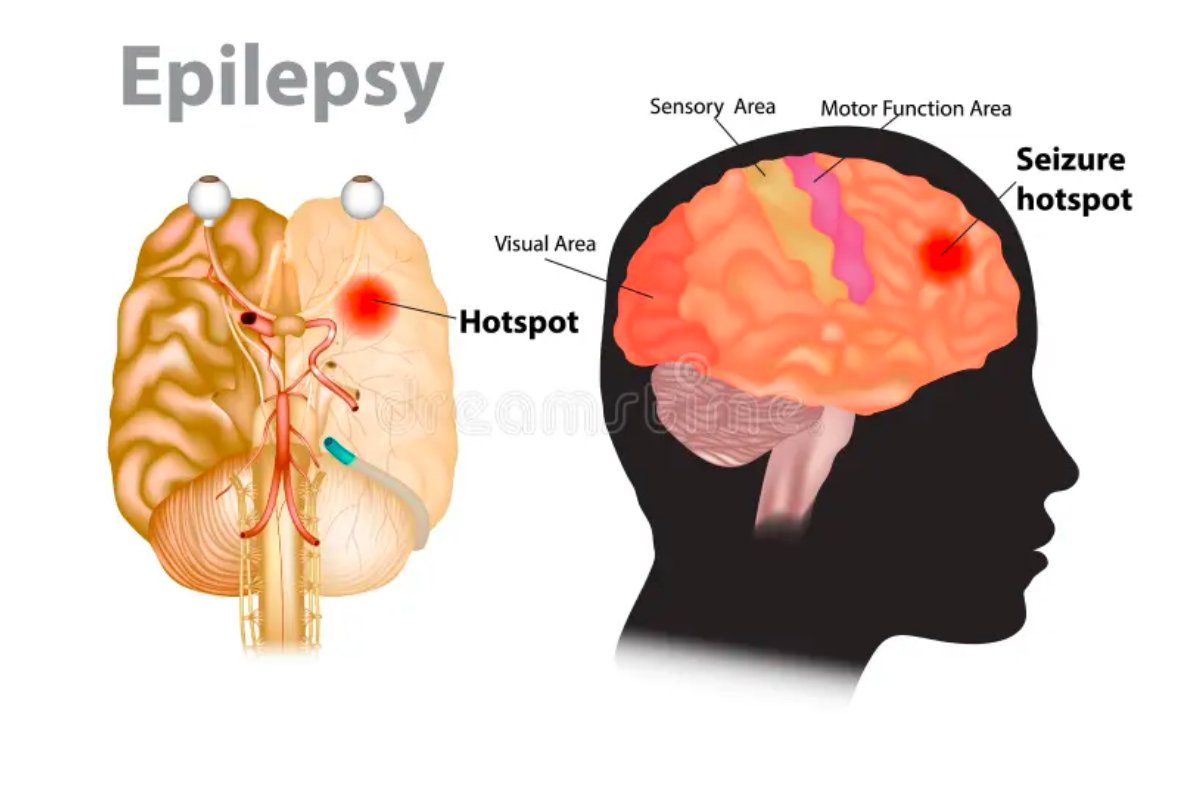
Epilepsy is a complex neurological disorder characterized by recurrent, unprovoked seizures that occur due to sudden, abnormal electrical activity in the brain. This condition affects millions of individuals globally, disrupting daily life, emotional well-being, and personal independence. Seizures can manifest in various forms, ranging from brief lapses of attention or minor muscle jerks to severe, prolonged convulsions. Seeking specialized care is crucial for managing these symptoms effectively and improving long-term quality of life. For individuals seeking expert medical intervention, comprehensive Epilepsy Treatment in Secunderabad offers advanced clinical solutions tailored to stabilize brain activity and restore normalcy. Under the guidance of a skilled neurologist in Secunderabad, patients receive highly individualized care plans that combine precise diagnostic tools with cutting-edge medical therapies.
When is Epilepsy Treatment Needed?
Medical intervention becomes necessary immediately after an individual experiences an unexplained seizure, as early evaluation can prevent potential neurological complications. Epilepsy treatment is universally required when a patient is diagnosed with two or more unprovoked seizures occurring more than twenty-four hours apart. It is also essential for individuals who exhibit subtle, frequently missed symptoms such as sudden blank staring spells, unprovoked episodes of confusion, repetitive involuntary movements, or unexplained sensations of deja vu. Post-traumatic brain injuries, strokes, or severe central nervous system infections that trigger localized electrical disturbances also warrant immediate neurological management. Leaving the condition unmanaged increases the risk of recurrent episodes, cognitive decline, physical injuries during convulsions, and a rare but serious condition known as status epilepticus, where a seizure lasts longer than five minutes.
Procedure Explained
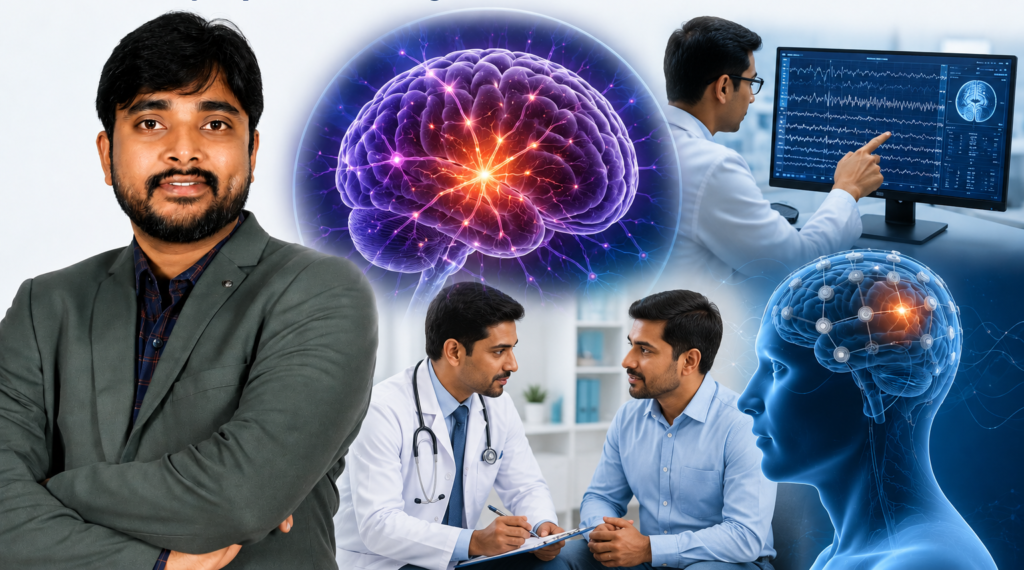
The clinical journey begins with a meticulous diagnostic protocol designed to locate the origin of abnormal electrical signals within the brain. A Best Neurologist in Secunderabad utilizes electroencephalograms (EEG) to record the brain’s electrical pathways, alongside high-resolution neuroimaging like MRI or CT scans to identify structural abnormalities. Once a definitive diagnosis is established, the primary line of treatment involves Anti-Epileptic Drugs (AEDs), which are carefully selected based on the specific seizure type, patient age, and overall health. For patients with drug-resistant or refractory epilepsy, advanced therapeutic procedures are considered. These include neuromodulation techniques such as Vagus Nerve Stimulation (VNS), where a small implanted device sends regular electrical pulses to the brain to disrupt seizure patterns. In cases where a single, localized brain region is responsible for the seizures, minimally invasive surgical resections may be performed to safely remove the hyperactive tissue.
Benefits of Epilepsy Treatment
The primary benefit of undergoing structured medical care is achieving optimal seizure control, which drastically reduces the frequency and severity of episodes. Effective treatment stabilizes the brain’s neural networks, which directly enhances cognitive functions, memory retention, and daily concentration. By minimizing the unpredictable nature of seizures, patients experience a profound psychological relief, reducing anxiety and depression associated with the fear of having a public episode. Furthermore, successful clinical management restores personal independence, allowing individuals to safely resume essential lifestyle activities such as driving, swimming, and working without constant supervision. Ultimately, long-term therapeutic compliance protects the brain from cumulative microscopic injuries and significantly lowers the long-term risk of physical trauma.
Recovery After Treatment
Recovery is a gradual, continuous process that emphasizes routine monitoring and lifestyle adaptation rather than an immediate cure. For patients managed successfully on anti-epileptic medications, recovery involves adapting to the dosage schedule while working closely with the physician to mitigate mild initial side effects like fatigue or dizziness. For individuals undergoing advanced surgical interventions or neuromodulation implants, the recovery phase includes structured post-operative care, wound healing management, and gradual device calibration. Neurologists closely observe the patient through follow-up EEG scans and regular blood tests to ensure therapeutic drug levels remain safe and effective. Patients are also guided on maintaining regular sleep hygiene, managing psychological stress, and avoiding known seizure triggers like alcohol or excessive screen exposure to sustain long-term neurological stability.
Risks and Considerations
While modern therapeutic approaches are highly successful, they do carry certain clinical risks and side effects that require careful consideration. Pharmacological treatments can sometimes cause adverse reactions ranging from chronic fatigue, weight fluctuations, and mood alterations to more severe systemic issues like liver toxicity or bone density loss over prolonged periods. Surgical treatments, though highly precise, carry inherent risks typical of neurosurgical procedures, including localized infection, temporary cognitive or speech changes, and variable anesthesia reactions. It is absolutely vital for patients to understand that anti-epileptic medications must never be altered or discontinued abruptly, as sudden withdrawal can trigger severe, continuous breakthrough seizures. Open communication with the medical team allows these risks to be proactively monitored, minimized, and managed effectively through timely adjustments.
When to Consult a Specialist
Consulting a dedicated neurological specialist is critical if you or a family member experiences a first-time seizure or shows signs of altered consciousness without a clear medical cause. Immediate specialist consultation is also required if an existing epilepsy patient experiences a sudden increase in seizure frequency, or if the prescribed medications fail to control the episodes despite strict adherence. Pregnant women with epilepsy or individuals planning a pregnancy must consult their specialist urgently to adjust medications to variants that are safe for fetal development. Furthermore, any instance of prolonged confusion following a seizure, difficulty breathing, or physical injury sustained during an episode demands immediate professional neurological evaluation to optimize the current treatment strategy.
Conclusion
Living with epilepsy presents unique physical and emotional challenges, but a structured, scientifically advanced approach to medical care can help individuals lead fulfilling lives. Early diagnosis paired with a highly customized treatment strategy forms the cornerstone of effective long-term neurological wellness. If you are seeking comprehensive, premium care for seizure management, consulting a dedicated expert can make a transformative difference. For world-class clinical guidance and advanced Epilepsy Treatment in Secunderabad, consider scheduling an expert consultation with Dr. Sudheer Pachipala.