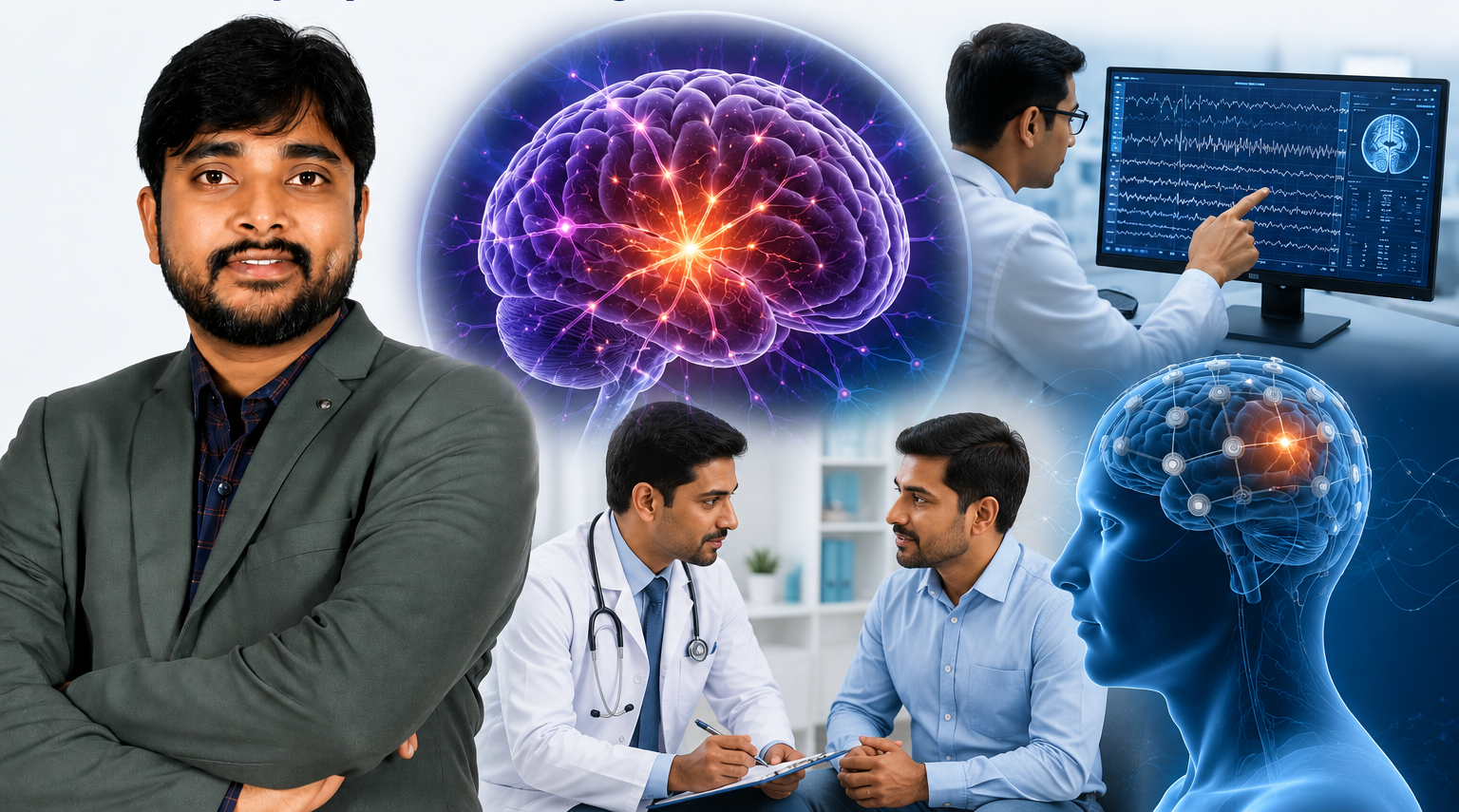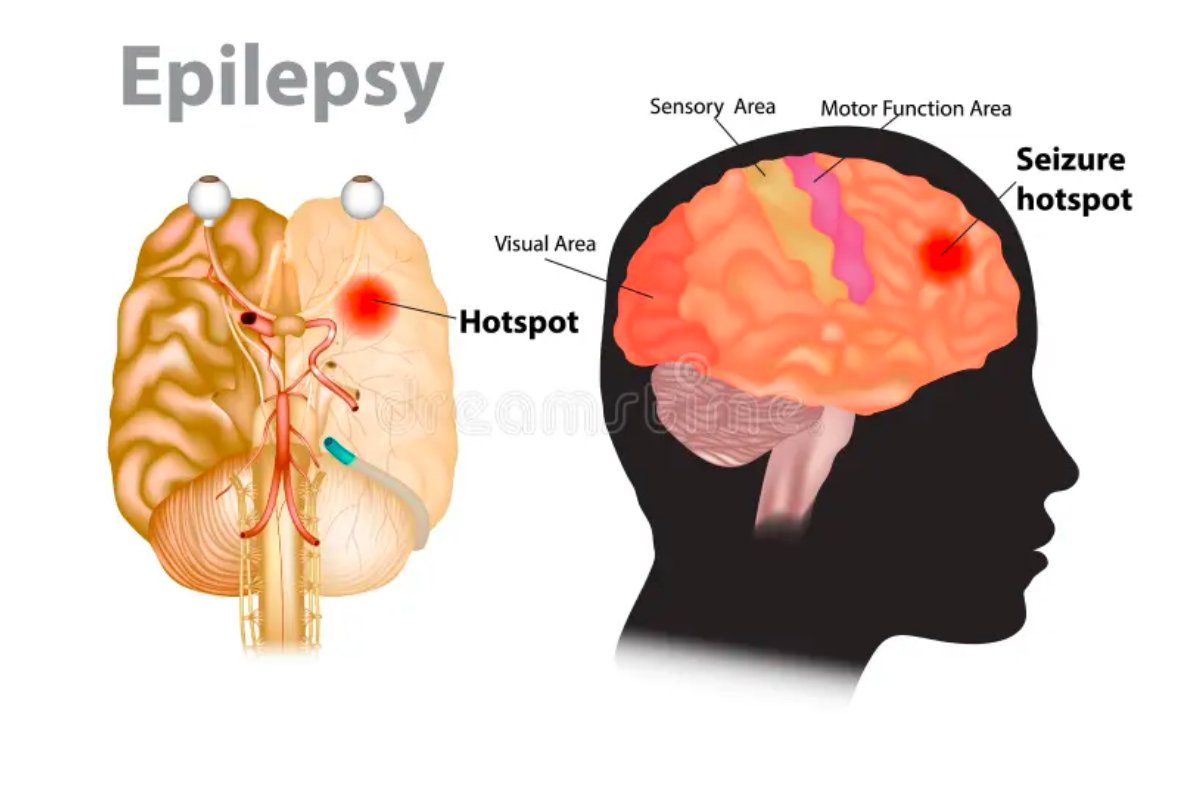
Epilepsy is a neurological condition characterized by recurrent, unprovoked seizures. These seizures occur due to sudden bursts of abnormal electrical activity in the brain. While the condition can affect individuals of all ages, early diagnosis and appropriate treatment significantly improve quality of life. With modern medical care and continuous monitoring, most patients with epilepsy can lead active and fulfilling lives.
Seizures can vary in presentation. Some individuals may experience brief lapses in awareness, while others may have muscle stiffness, jerking movements, confusion, or temporary loss of consciousness. The type and intensity of seizures depend on which part of the brain is affected. Because symptoms can differ from person to person, accurate evaluation by a neurologist is essential.
Epilepsy may develop due to several underlying causes. In some cases, it may be linked to head injuries, brain infections, stroke, genetic factors, or developmental disorders. However, in many patients, the exact cause remains unknown. Identifying potential triggers and understanding the patient’s medical history play an important role in treatment planning.
Diagnosis typically involves a detailed neurological examination along with investigations such as an Electroencephalogram (EEG) and brain imaging studies like MRI or CT scan. These tests help determine the type of epilepsy and guide treatment decisions. Proper evaluation ensures that patients receive targeted and effective therapy.
Treatment primarily involves anti-epileptic medications that help control seizures by stabilizing electrical activity in the brain. The choice of medication depends on the seizure type, patient’s age, medical history, and overall health condition. Most patients respond well to medication and achieve good seizure control. In selected cases where seizures do not respond to medicines, advanced treatment options such as epilepsy surgery or specialized therapies may be considered.
Living with epilepsy requires awareness, medication adherence, and regular follow-up with a neurologist. Patients are advised to maintain a healthy lifestyle, get adequate sleep, avoid stress, and follow prescribed treatment consistently. Family education and support are equally important to ensure safety during a seizure episode.
Epilepsy is manageable when care is precise, compassionate, and continuous. Early consultation with a neurologist can help reduce complications and improve long-term outcomes. If you or a loved one experiences unexplained seizures or recurrent episodes of unconsciousness, seeking timely medical evaluation is strongly recommended.